What Causes Enlarged Prostate (BPH)?
BPH develops due to a mix of factors, including hormone changes, cell growth, metabolism, and lifestyle habits that build up over time. Aging is the main cause, but research shows that lifestyle and other modifiable factors can influence who develops symptoms and how severe they become.
Understanding why this non-cancerous growth happens is important for choosing the right treatment and taking steps to slow its progression.
This guide explains the causes of prostate enlargement in a clear and practical way.
What Is an Enlarged Prostate?

The prostate is a walnut-sized gland located just below the bladder, wrapped around the urethra—the tube that carries urine out of the body.
When the prostate enlarges, it squeezes this urinary channel, creating the characteristic symptoms of BPH including weak stream, frequent urination, and incomplete bladder emptying.
This mechanical compression explains why prostate size directly correlates with symptom severity in many men.
It's crucial to understand that BPH is fundamentally different from other prostate conditions. Unlike prostatitis, which involves inflammation or infection, BPH represents actual tissue growth.
More importantly, BPH is entirely benign and non-cancerous. Therefore, having an enlarged prostate does not increase your cancer risk or indicate malignancy.
While rare in men under 40, prostate enlargement becomes increasingly common with each passing decade. By age 60, roughly half of men show signs of BPH, and by 80, that number climbs to nearly 90%.
Primary Causes of an Enlarged Prostate
Understanding what triggers prostate growth helps explain why certain treatments work and others don't.
1. Aging & Cell Growth
The prostate experiences two major growth phases during a man's lifetime, the first during puberty and the second beginning around age 25 and continuing throughout adulthood.
This second phase of gradual, continuous growth eventually manifests as BPH in most aging men. Building on this pattern, autopsy studies reveal that histologic evidence of BPH appears in up to 90% of men over age 80, even when many never developed bothersome symptoms during life.
This near-universal occurrence suggests that prostate enlargement represents natural aging rather than disease in the traditional sense. The cells in the prostate's transition zone, the area closest to the urethra, proliferate steadily over decades.
For reasons not fully understood, some men's prostates grow faster or larger than others, leading to earlier and more severe symptoms.
2. Hormonal Imbalances
Hormones play the central role in regulating prostate growth throughout life, and age-related hormonal changes drive much of BPH development.
Androgens (DHT & Testosterone)
Dihydrotestosterone, or DHT, is a potent androgen derived from testosterone through the action of the enzyme 5α-reductase. This hormone drives prostate cell proliferation and hyperplasia, making it a key player in BPH development.
While androgens are required for BPH to occur, DHT's exact contribution varies with age, and not all men with high DHT develop significant enlargement.
The clinical importance of DHT becomes clear when examining treatment outcomes. Medications called 5α-reductase inhibitors, which block DHT production, successfully reduce prostate size and slow BPH progression in many men. This therapeutic response underscores DHT's fundamental role in driving the condition.
Estrogen & Hormone Balance
As men age, their testosterone-to-estrogen ratio shifts, with relatively more estrogen present even as total testosterone declines.
Consequently, elevated estrogen levels or changes in estrogen signaling may stimulate prostate cell growth through mechanisms that are still being researched.
Emerging evidence suggests that estrogen receptors within prostate tissue influence both hyperplasia and tissue remodeling processes.
This hormonal rebalancing may explain why BPH accelerates in later decades—not from testosterone alone, but from the changing interplay between androgens and estrogens. The prostate tissue becomes more sensitive to these hormonal signals over time, amplifying growth responses.
3. Inflammation & Oxidative Stress
Chronic prostatic inflammation may promote tissue growth through complex mechanisms involving immune cell infiltration and tissue repair responses.
When inflammation persists, the prostate attempts to heal and remodel itself, but this process can lead to excessive cell proliferation instead of normal tissue restoration.
In addition to inflammation, review literature proposes that oxidative stress, an imbalance between harmful free radicals and protective antioxidants, contributes to BPH through cellular death pathways and inflammatory signaling.
This oxidative damage triggers a cascade of cellular responses that ultimately favor tissue growth and fibrosis. The inflammation-growth connection helps explain why anti-inflammatory interventions sometimes improve BPH symptoms.
Risk Factors That May Trigger or Exacerbate BPH
While aging and hormones drive BPH fundamentally, several modifiable factors significantly influence risk and severity.
1. Metabolic Syndrome & Obesity
Metabolic syndrome components including obesity, elevated blood glucose, high blood pressure, and abnormal cholesterol levels strongly correlate with higher BPH risk and more severe symptoms.
Men with metabolic syndrome face significantly greater prostate enlargement and urinary dysfunction compared to metabolically healthy peers.
Further supporting this connection, recent research demonstrates a dose-response relationship between TyG-BMI—a marker combining triglyceride-glucose levels with body mass index—and BPH risk.
This finding suggests that metabolic dysfunction doesn't just accompany BPH but actively contributes to its development, likely through hormonal and inflammatory pathways affected by excess body fat and insulin resistance.
2. Diabetes
Building on the metabolic theme, meta-analyses consistently show that diabetes mellitus associates with larger prostate volumes and worse urinary symptoms.
Diabetic men often experience more rapid prostate growth and greater symptom severity compared to non-diabetic counterparts. The mechanisms likely involve insulin signaling pathways, inflammation, and vascular changes that affect prostate tissue.
This connection emphasizes the importance of blood sugar control not just for traditional diabetic complications but also for prostate health. Managing diabetes effectively may slow BPH progression and reduce symptom burden.
3. Genetics & Family History
Beyond metabolic factors, familial clustering of BPH cases suggests that genetic predisposition influences who develops significant prostate enlargement.
Men with fathers or brothers who have BPH face higher risk themselves, though specific genes responsible remain under investigation. This hereditary component means that some men are simply more susceptible regardless of lifestyle factors.
Understanding your family history helps establish realistic expectations and may justify earlier screening or more aggressive preventive measures.
4. Lifestyle Factors
Sedentary behavior, poor diet, and weight gain appear to worsen BPH risk through hormonal and inflammatory pathways.
Physical inactivity contributes to metabolic dysfunction and obesity, which in turn affect hormone balance and inflammation levels.
Similarly, Western dietary patterns high in saturated fats and red meat correlate with greater BPH prevalence in epidemiological studies.
Conversely, diets rich in vegetables, fruits, healthy fats, and fish associate with lower BPH risk and slower progression.
These dietary patterns provide antioxidants and anti-inflammatory compounds that may protect prostate tissue from the oxidative stress and chronic inflammation that drive enlargement.
Biological Mechanism of BPH
At the cellular level, BPH results from an imbalance between cell proliferation and cell death. Normally, prostate cells divide and die at roughly equal rates, maintaining stable tissue size.
In BPH, this balance tips toward excessive proliferation or insufficient cell death through a process called apoptosis.
DHT and estrogen receptors within prostate cells modulate this balance by affecting both stromal cells (supportive tissue) and epithelial cells (secretory tissue). When hormonal signals favor growth, these cells multiply faster than they're eliminated.
Meanwhile, chronic inflammation triggers tissue remodeling and cytokine signaling—chemical messengers that further promote hyperplasia and fibrosis.
These mechanisms create a self-reinforcing cycle where hormonal changes drive inflammation, inflammation promotes cell growth, and tissue enlargement creates conditions that perpetuate both processes.
FAQs
Can prostate enlargement be prevented?
Aging itself can't be stopped, but mitigating metabolic risk factors helps considerably. Maintaining healthy weight, controlling blood sugar, staying physically active, and eating an anti-inflammatory diet may slow BPH progression even if they can't prevent it entirely.
Does BPH mean I have cancer?
No, BPH is entirely benign and non-cancerous. Having an enlarged prostate does not increase cancer risk or indicate malignancy. However, both conditions can coexist, so proper medical evaluation remains important.
How do hormones cause BPH?
Hormonal imbalances affect cellular signaling and growth within prostate tissue. DHT stimulates cell proliferation, while shifting estrogen levels influence tissue remodeling. Together, these hormonal changes create conditions that favor prostate enlargement over decades.
Improve Prostate Comfort and Urinary Flow with the Sonic Prostate Massager
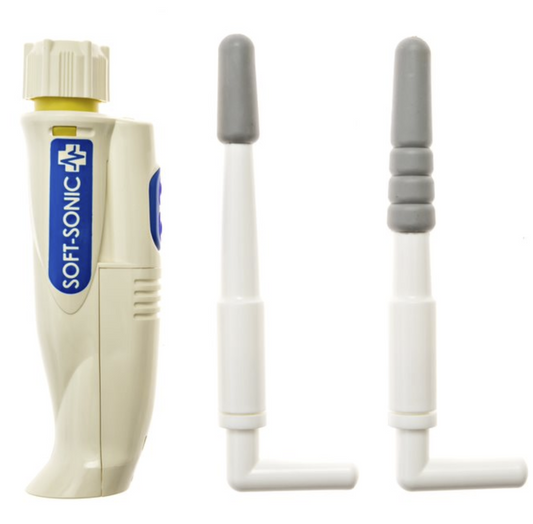
Understanding what causes BPH is the first step—taking action to manage symptoms is the next. The Sonic Prostate Massager offers a non-invasive approach to improving prostate comfort and urinary function. This top-rated device delivers gentle, therapeutic massage designed to reduce inflammation and enhance circulation in the prostate gland.
Combined with lifestyle modifications and appropriate medical treatment, prostate massage represents a valuable tool in comprehensive BPH management.
Take control of your prostate health today with evidence-based solutions that address the root causes of enlargement.