BPH vs Prostate Cancer: Key Differences, Symptoms & Medical Evidence
Understanding the difference between BPH and prostate cancer helps reduce unnecessary worry and ensures proper medical care. Both affect the prostate gland, but they are very different conditions. BPH is a non-cancerous enlargement, while prostate cancer involves malignant cell growth.
To help you better understand these conditions, this guide compares BPH and prostate cancer side by side.
What is BPH (Benign Prostatic Hyperplasia)?
Benign prostatic hyperplasia represents non-cancerous enlargement of the prostate gland that affects a significant portion of aging men.
The condition becomes increasingly common with age, affecting approximately 50% of men in their 60s and up to 70% of men over 70.
This age-related pattern makes BPH one of the most prevalent urological conditions in older male populations.
Pathophysiology
The underlying mechanism of BPH involves non-cancerous cell proliferation within the prostate tissue. As cells multiply in the transition zone surrounding the urethra, the prostate gradually enlarges and begins compressing the urinary channel.
This mechanical pressure creates the characteristic obstructive symptoms that drive men to seek medical attention.
Common Symptoms of BPH
- Frequent urination, especially at night
- Weak or interrupted urine stream
- Difficulty starting urination
- Feeling of incomplete bladder emptying
- Urgency to urinate
- Dribbling at the end of urination
- Straining during urination
Typical BPH Treatments
Standard medical management includes alpha-blockers like tamsulosin that relax prostate and bladder neck muscles, and 5-alpha reductase inhibitors like finasteride that actually shrink prostate tissue over time.
For men who don't respond adequately to medication, minimally invasive procedures such as TURP, UroLift, or Rezūm offer excellent symptom relief.
Alongside these established approaches, prostate massage has emerged as a complementary solution worth considering.
A case series by Hennenfent et al. documented outcomes in men who received repetitive prostatic massage combined with standard medical therapy. Notably, several patients who had previously required catheterization eventually regained the ability to urinate spontaneously.
Follow-up urine studies revealed decreased inflammatory cell counts, suggesting that the massage technique improved prostatic drainage and reduced congestion within the gland.
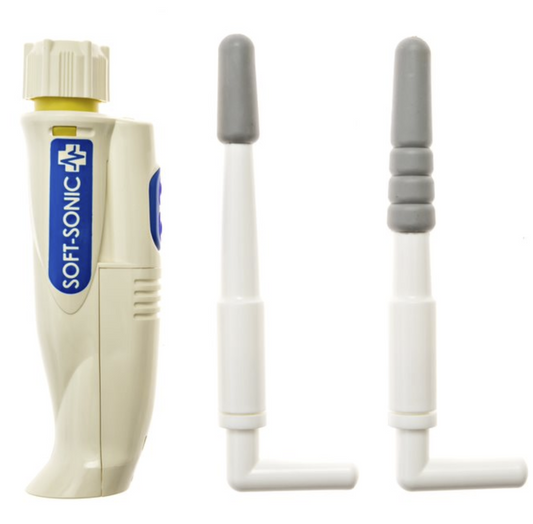
For men interested in exploring this therapeutic approach, the Sonic Prostate Massager offers a well-designed option specifically created for prostate wellness and symptom management.

What is Prostate Cancer?
Prostate cancer involves malignant cell growth within the prostate gland, with the potential to spread beyond the organ to surrounding tissues and distant sites.
As one of the most common cancers affecting men worldwide, prostate cancer represents a significant health concern, particularly in older populations.
Unlike BPH, which causes symptoms through mechanical compression, prostate cancer often develops silently in its early stages.
The key distinction lies in cellular behavior. While BPH involves orderly but excessive growth of normal cells, cancer represents uncontrolled proliferation of abnormal cells that can invade surrounding structures and metastasize to bones, lymph nodes, and other organs.
This fundamental difference in biology explains why the two conditions require entirely different treatment approaches.
Staging and Severity
Prostate cancer is categorized using risk stratification systems that consider PSA levels, Gleason score from biopsy, and clinical stage.
- Low-risk cancers may be managed with active surveillance, involving regular monitoring without immediate treatment.
- Intermediate-risk cases typically require intervention through surgery or radiation.
- High-risk and advanced cancers demand aggressive multimodal therapy, potentially including surgery, radiation, hormone therapy, and chemotherapy.
BPH vs Prostate Cancer
|
Feature |
BPH |
Prostate Cancer |
|
Cell type |
Non-cancerous proliferation |
Cancerous cells |
|
Symptom onset |
Usually progressive urinary symptoms |
Often silent early |
|
PSA levels |
Often elevated due to size |
Elevated and more variable |
|
Risk of spreading |
No |
Yes |
|
Diagnosis |
DRE, ultrasound, symptom scores |
DRE, PSA, MRI, biopsy |
Symptoms — Where They Overlap and Where They Differ
Both conditions can cause frequent urination and weak urine stream, which is why symptoms alone cannot definitively distinguish between them.
These shared manifestations occur because both conditions affect the prostate's relationship with the urethra, though through different mechanisms.
However, certain red-flag symptoms suggest cancer rather than benign enlargement. Blood in the urine or semen warrants immediate evaluation, as this rarely occurs with uncomplicated BPH.
Similarly, persistent pelvic pain, unexplained weight loss, or bone pain, especially in the lower back, hips, or pelvis, may indicate advanced prostate cancer that has spread beyond the gland. These warning signs demand prompt medical assessment regardless of age.
Diagnosis — How Clinicians Tell Them Apart
Distinguishing between BPH and prostate cancer requires a combination of clinical examination, laboratory testing, and imaging studies.
Digital Rectal Exam (DRE)
During a DRE, urologists assess the prostate's size, texture, and symmetry through the rectal wall. BPH typically produces a smoothly enlarged, rubbery gland that maintains symmetry.
In contrast, prostate cancer often creates firm nodules, asymmetry, or rock-hard areas within the gland. While not definitive, these tactile findings guide further diagnostic workup.
PSA Testing Differences and Interpretation Concerns
PSA levels rise in both conditions, but the patterns differ. BPH causes modest, proportional PSA elevation related to increased prostate volume—typically rising gradually over years.
Cancer produces more variable and sometimes dramatic PSA increases that may spike rapidly over short periods.
One helpful refinement is PSA density, calculated by dividing the PSA value by prostate volume measured on imaging. This ratio helps distinguish whether elevated PSA stems from simple gland enlargement or potentially from malignant cells.
Higher PSA density values raise suspicion for cancer even when absolute PSA numbers fall within commonly cited normal ranges.
Imaging and Biopsy
Transrectal ultrasound provides basic structural information about prostate size and can guide biopsies. Multiparametric MRI has become increasingly important, identifying suspicious areas that warrant targeted biopsy.
However, only tissue biopsy can definitively confirm cancer by revealing malignant cells under microscopic examination. The Gleason scoring system grades cancer aggressiveness based on cellular architecture patterns.
Does BPH Increase Prostate Cancer Risk?
Research suggests a complex relationship between BPH and prostate cancer risk. A comprehensive meta-analysis found that men with BPH face approximately 2.9 times higher prostate cancer incidence compared to men without BPH.
Interestingly, this association appears stronger in Asian populations compared to Caucasian men, suggesting potential genetic or environmental factors at play.
However, interpreting this connection requires nuance. The two conditions share common risk factors including chronic inflammation, metabolic syndrome, and hormonal influences that may predispose men to both.
Additionally, detection bias plays a role—men diagnosed with BPH undergo more frequent prostate monitoring, increasing the likelihood of discovering concurrent cancer.
Current evidence doesn't suggest that BPH directly transforms into cancer. Rather, both conditions may develop independently in the same prostate due to shared underlying risk factors.
This distinction matters because treating BPH doesn't reduce cancer risk, and having BPH doesn't mean cancer is inevitable.
FAQs
Does an enlarged prostate mean cancer?
No, an enlarged prostate does not automatically indicate cancer. Most prostate enlargement in older men results from benign prostatic hyperplasia rather than malignancy. However, any concerning symptoms warrant medical evaluation to rule out cancer.
Can BPH lead to cancer?
BPH does not directly transform into prostate cancer. These are separate conditions with different cellular origins. While men with BPH may have slightly elevated cancer risk due to shared risk factors, BPH itself doesn't cause cancer.
How accurate is PSA testing?
PSA testing is sensitive but not perfectly specific—it can be elevated in both BPH and cancer. PSA density and tracking PSA velocity over time improve accuracy. Abnormal PSA results typically warrant further evaluation with MRI or biopsy.
Can you have both BPH and prostate cancer?
Yes, BPH and prostate cancer commonly coexist, particularly in older men. Having one condition doesn't exclude the possibility of the other, which is why thorough diagnostic evaluation remains essential when symptoms develop.
Take a Proactive Step Toward Prostate Wellness with the Sonic Prostate Massager
Caring for your prostate doesn't have to be complicated. With the right tools and supplements, you can ease discomfort, manage symptoms, and support long-term wellness.
For men looking for a non-invasive option, the Sonic Prostate Massager from Prostate Health Store is an excellent choice. This top-rated device delivers gentle, deep-tissue massage designed to help reduce inflammation and significantly improve localized circulation in the prostate gland.
To go along with physical therapy, the Ultra Prostate Health Formula offers internal support. Made with proven ingredients like saw palmetto, pygeum, and stinging nettle root, it helps maintain healthy prostate function and overall urinary health.
Order today to get these trusted tools and supplements, and start feeling more comfortable and confident!